How to Win Make A Chocolate Matches
Turn prompts into higher AI accuracy scores than your opponent.
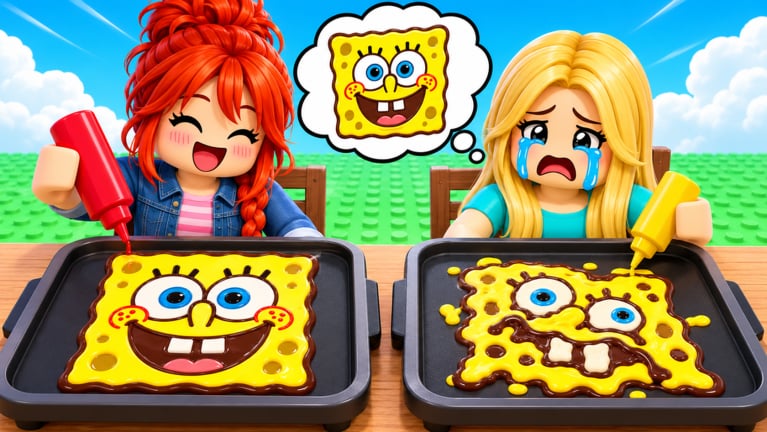
Winning in Make A Chocolate is not about the flashiest chocolate sculpture—it is about the higher accuracy percentage from the AI judge. Both players receive the same prompt, build art on a plate, and compare scores. This guide explains how to think like the judge, structure your timer, and convert small accuracy edges into consistent match wins and cosmetics money.
If you are still learning the lobby flow, finish Getting Started first. If tool inputs feel slow, pair this page with Controls. Spending plans live in Cosmetics.
How the AI decides the winner
The experience description is explicit: the AI judges each chocolate creation based on accuracy as a percentage, and the player with the highest score wins. Practically, that means your piece must be recognizable as the thing the prompt asked for. Decorative flair only helps when it reinforces the subject. Flair that hides the subject usually hurts.
Treat the percentage as a similarity score. Clear shape language, correct category (animal vs food vs object), and obvious distinguishing features tend to matter more than microscopic texture. When two players both “kind of” match the prompt, the cleaner silhouette often pulls ahead.
Prompt reading protocol
Before you touch the plate, spend a few seconds parsing the prompt with a fixed checklist:
- Subject noun — What must the chocolate represent?
- Modifiers — Size, count, color, emotion, or pose words?
- Negatives — Words that warn you away from a common wrong guess?
- Ambiguity — If two interpretations fit, pick the simpler one you can finish.
Write the subject in your head as a one-line brief: “make a tall chocolate rabbit with long ears,” not “make something cute.” That brief becomes your silhouette target.
Timer strategy that raises win rate
Split the match into three deliberate phases.
Phase A — Block-in (first third). Lay down the biggest masses: body, head, primary object outline. Zoom out mentally. If a stranger glanced for half a second, could they name the subject? If not, keep blocking.
Phase B — Identity features (middle third). Add the two or three details that separate this subject from lookalikes—ears for a rabbit, handle for a mug, stem for a cherry. Stop at identity, not photorealism.
Phase C — Cleanup and submit (final third). Smooth obvious errors, remove stray blobs that look like a second subject, and submit with a buffer. A calm submit beats a last-frame scribble that confuses the judge.
Players who reverse this order—decorating first—often run out of time with a pretty mess that scores poorly.
Silhouette-first techniques
- Prefer large, connected chocolate masses over scattered crumbs.
- Keep the subject centered on the plate when possible so framing is obvious.
- Use contrast in height or thickness to show limbs or layers instead of tiny etched lines the AI may underweight.
- If the prompt is a simple everyday object, resist the urge to invent a complex scene around it.
- When you make a mistake, erase or cover decisively. Half-fixed shapes look like two overlapping guesses.
Playing the opponent without tilting
You usually cannot see a finished masterpiece from your rival until scoring, but you can still play the meta:
- Assume they also read the prompt. Do not pivot to a clever alternate reading unless yours is clearly stronger and still finishable.
- If you finish early with a solid piece, use leftover seconds to reinforce identity features—not to reinvent the plate.
- After each match, compare both percentages. Ask: was their piece simpler? More centered? Closer to the literal prompt words? Steal that lesson for the next duel.
Accuracy habits for streak wins
Consistency beats highlight-reel sculptures. Aim for a stable accuracy band you can reproduce under pressure. Streaks of modest wins farm more money for cosmetics than one lucky high score followed by tilt losses.
Build a personal prompt library after sessions: animals, food items, household objects, characters. Note which categories you score best in. Warm up on those when you queue for serious farming, and practice weaker categories in low-stakes sessions.
Rules that protect your account while you climb
The higher you climb in visibility—full lobbies, popular servers, clip culture—the more important the ban warning becomes. Inappropriate artwork is not tolerated and may result in a permanent ban. Never “joke” with restricted imagery on the plate. A ban ends your cosmetics progress permanently; no win streak is worth that.
Also avoid third-party shortcuts. This wiki does not endorse scripts for Make A Chocolate; skillful prompt reading and plate work are the intended path. See the Scripts hub for our current stance and safety notes.
Money mindset after wins
Every win (and completed match) feeds the currency used for cosmetics. Do not let a hot streak dump your entire balance into the first shiny unlock. Bank enough for a deliberate purchase plan outlined in Cosmetics. Better looks feel better when you earned them across many clean victories.
Practice drills between matches
When the lobby wait is long, rehearse mentally:
- Recite a fake prompt and list the three identity features you would sculpt first.
- Visualize Phase A / B / C timing.
- Review one loss: which prompt word did you underweight?
If you prefer video orientation, the beginner page embeds a real full guide on Getting Started. Use video for UI orientation, then return here for scoring strategy.
Quick pre-match card
- Read the prompt twice
- One-line brief in your head
- Silhouette before details
- Identity features only
- Submit with buffer
- Compare percentages and note one lesson
- Stay appropriate—always
Master that card and your average accuracy rises. Higher averages mean more wins, more money, and a smoother cosmetics climb. For the full tutorial map, return to the Guides Hub. When promo codes eventually appear, redeem them through the steps on How to Redeem Codes without interrupting your match routine.
Frequently Asked Questions
Quick answers for Make A Chocolate players.
What does the AI score mean?
The AI returns an accuracy percentage for how well your chocolate art matches the prompt. The higher percentage wins the match.
Should I make the most detailed sculpture possible?
No. Prioritize a clear silhouette and a few identity features. Over-detailing that hides the subject often lowers accuracy.
How do wins help progression?
Winning (and playing matches) earns money you spend on cosmetics. See Cosmetics for spending priorities.
Does inappropriate art ever help my score?
Never risk it. Inappropriate artwork may result in a permanent ban, which ends progression entirely.
Where do I learn the tools used while sculpting?
Use the Controls guide for PC and mobile input notes, then practice the timer phases on this page.